 AI Supply Chain Brief
Most supply chain teams aren't ready for their AI
83% of supply chain leaders in a new ASCM and DSCI survey say their employees aren't ready to use AI effectively. The tools are moving faster than the people using them, so this week's most useful AI project may be training the team on one process, not buying another agent.
Five stories from the last few days, across planning, data centers, warehousing and customs. Two are dated because they were announced earlier and covered again since Friday. Every item links to the original source; summaries are our own.

1. 83% of supply chain leaders say their people aren't ready to use AI
28% versus 71%. That's the AI project success rate for organizations whose people aren't ready, compared with those whose people are, in The People Paradox in Supply Chain AI Integration, a report the Association for Supply Chain Management (ASCM) and the Digital Supply Chain Institute (DSCI) released October 14. FreightWaves interviewed ASCM CEO Abe Eshkenazi about it on October 23. Of 107 qualified respondents, 83% said their employees are unprepared to use AI well, and 64% of the unprepared group is still stuck in pilots or planning. On a scale from 1 (no AI) to 5 (fully autonomous), adoption across 13 supply chain functions averaged 1.94. Demand planning led at 2.28; reverse logistics was last at 1.59. The top barriers tied at 33% each: missing skills and an unclear business case. Why it matters: involvement drops off below the top. 82% of C-suite respondents lead or scale AI work, but 70% of staff say they're aware of it without being involved. The people who run the process aren't helping shape the tool.
So what for supply chain managersPick one process your team runs every week, measure how it works today, and get the people who do the work involved before anyone buys another AI tool for it.
- Choose one high-volume, rule-based task your team owns (for example, past-due PO follow-up or exception triage) and write down how long it takes today.
- Ask two people who do that task to try your approved AI tool on it for a week, using anonymized data, and note where it helps and where it gets things wrong.
- Agree on the human decisions that stay human (sourcing awards, customer commitments, disruption calls) before any AI acts on its own.
You are a supply chain process coach helping a team pick its first AI pilot. Inputs, all anonymized, one row per recurring task: task name, owner role, times per week, minutes per occurrence, systems used, rules followed (yes/no and short description), error rate or rework if known, decision risk (low/medium/high).
[PASTE TABLE]
1) Calculate weekly hours for each task and show your math for the first row.
2) Score each task for AI fit: high volume, clear rules, low decision risk.
3) Recommend the top 2 pilot tasks and explain why in one sentence each.
4) For each, list the baseline measure to record now and one step a human must still approve.
Output: a table with columns task, weekly hours, AI fit (high/medium/low), reason, baseline measure; then the two recommendations. Keep it under 300 words. Use anonymized data only. List any missing or inconsistent data instead of guessing.
Sources: ASCM and DSCI announcement Research/data · The People Paradox report (DSCI) Research/data · FreightWaves Independent reporting

2. AI data center tenants now ask $5 million a day when builds run late
$5 million a day, up from $1 million this spring. That's what tenants in new AI data center leases are asking developers to pay when power and buildings aren't ready on time, The Information reported on October 25. Insurance broker Marsh designed a delay-in-delivery policy this spring for the $1 million case, then saw new deals ask for five times that within months. Marsh says contractors and suppliers can be asked to backstop those penalties in their own agreements, and that guarantees now cover equipment lead times and energization dates.
So what for buyersIf you sell into or buy for data center work, read the delay-damages clause before you sign. Make sure any penalty flowed down to you is capped and tied to delays you actually control.
Sources: The Information (via Benzinga) Independent reporting · Marsh Research/data · WebProNews Independent reporting
3. AWS says its planning agents now rank exceptions by financial impact
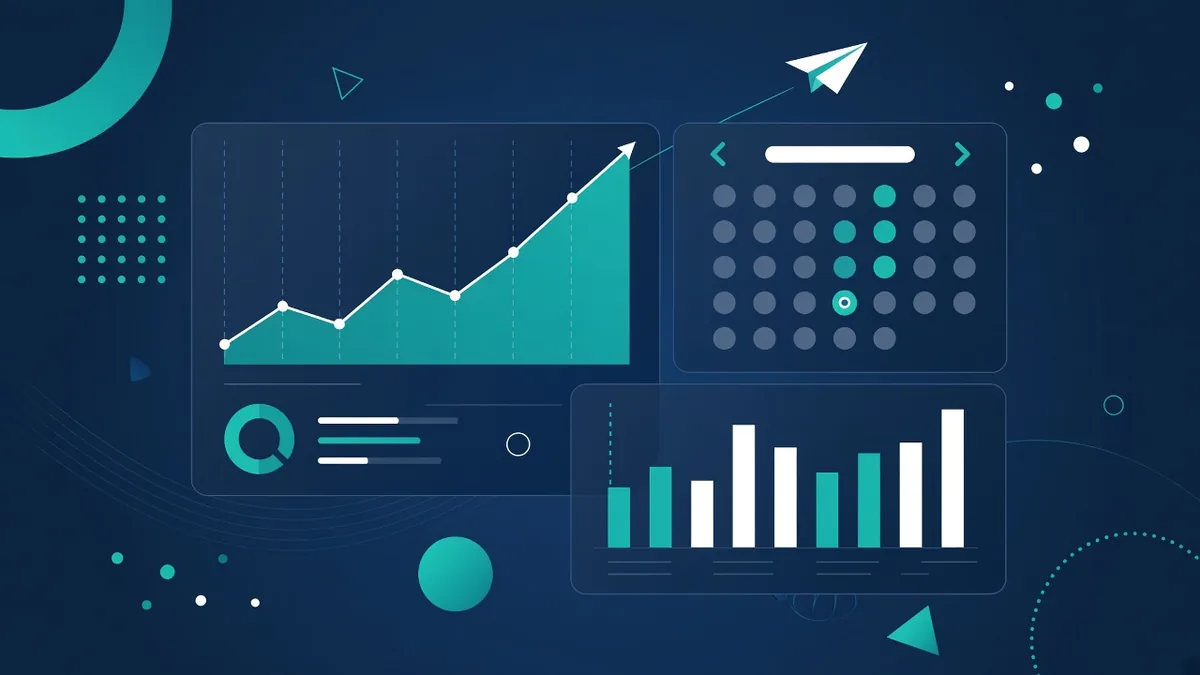
Close to 200,000 active SKUs across more than 25 plants: that's the network TE Connectivity's planners triage with Amazon Connect Decisions, which now ranks exceptions by financial impact and suggests order-level fixes, AWS wrote on October 23. The post says constraint-aware supply planning (inventory policies, capacity, supplier lead times) is now generally available. One unnamed manufacturer cut the time to build its 52-week plan by 40% while managing 30% more SKUs, per AWS. These are AWS's own figures; the product launched in April.
So what for plannersWhen a planning tool says it ranks exceptions by financial impact, ask the vendor to show you how it calculates that impact on your own anonymized data before you trust the order of the list.
Sources: AWS blog Company announcement · Supply Chain Dive (April launch) Independent reporting
4. Dexory's scanning robots now flag open boxes and misaligned pallets
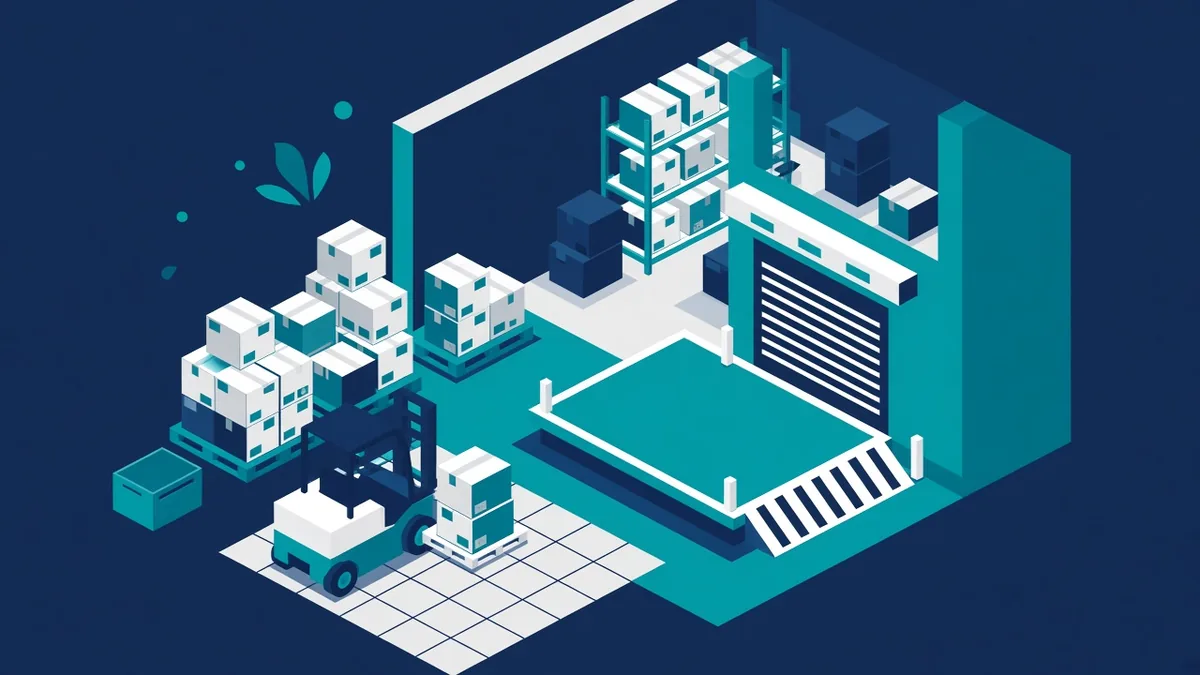
Open boxes, goods pulled forward and misaligned pallets are now on the list of rack problems Dexory's autonomous scanning robots can flag, the company announced October 21. Its Storage Health feature added NVIDIA's Cosmos-Reason2-2B model, fine-tuned on Dexory's own warehouse images, as a second check when its existing models aren't confident. Dexory says it tested the 2B and 8B versions and picked the smaller one for accuracy and speed. Robotics 24/7 covered the update October 23.
So what for warehouse managersIf you run aisle-scanning robots or are pricing them, ask which storage problems they actually catch at height, and how often a person has to confirm a flag.
Sources: Dexory announcement Company announcement · Robotics 24/7 Independent reporting
5. Mexico's customs agency shows a tool that flags undervalued imports
Undervaluation is the target. Mexico's National Customs Agency (ANAM) demonstrated its Value Intelligence Platform, built to flag imports that may be declared below their real value, at the CONECTAA 2026 customs brokers' meeting, reported October 23. Sessions there, including a workshop with Google, covered AI for tariff classification, catching errors in customs declarations and predicting risk. Mexico Business News notes that automated flags don't prove wrongdoing on their own; people still review them.
So what for trade compliance teamsIf you import into Mexico, check that declared values match invoices and transfer-pricing records now, because more of those mismatches will be flagged automatically.
Sources: Desarrollo Siglo XXI (ANAM demo) Independent reporting · Mexico Business News Independent reporting · Excélsior Independent reporting
Make AI remember your role, your parts and your rules so you stop re-explaining them: grab the free Mini Context Card (sister site, not an affiliate link)
More prompts like this: free 8-prompt sample · full AI Prompt Kit for Supply Chain Teams (from $7). It's our own product.
