 AI Supply Chain Brief
Robot tariffs are on hold, not off the table
On October 28 the White House found that imported robots and industrial machinery threaten national security, then chose talks over tariffs for now. Commerce and the trade office report back within 180 days, so any machine you're buying for 2027 now carries a trade question.
Five stories from the last two days, across trade, planning, manufacturing, warehousing and procurement. Every item links to the original source; summaries are our own.
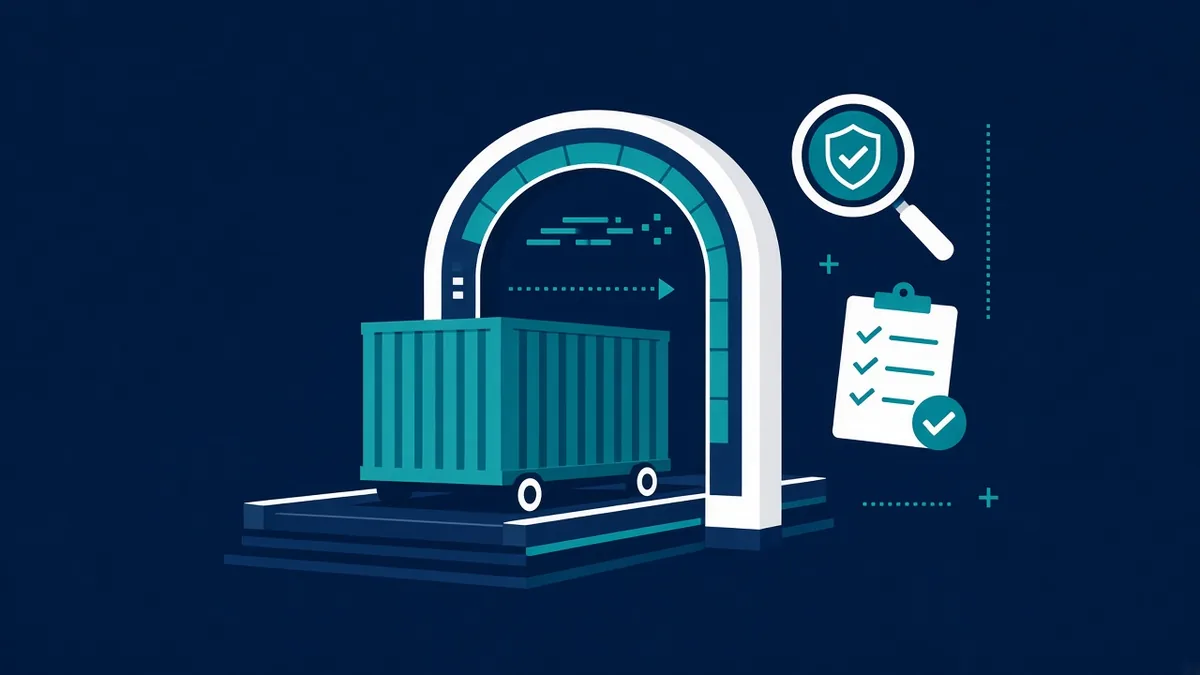
1. Imported robots and industrial machinery are now a national security issue, with talks before any tariff
No tariff yet. That is the headline from the October 28 proclamation, which found that imports of robotics, industrial machinery and their parts and components threaten to impair U.S. national security under Section 232. Instead of duties, it directs the Commerce Secretary and the U.S. Trade Representative to negotiate with trading partners and update the President within 180 days. If talks stall, the proclamation names possible remedies: tariffs, duties, quotas, fees, or a program to encourage new U.S. production. Commerce found the U.S. relies on imports for most types of robots and industrial machinery and their components, and flagged cybersecurity risks from machines sourced from certain foreign entities. The proclamation sets no rate and lists no tariff codes. Bloomberg Law framed it as Trump delaying the tariffs in favor of more talks. Why it matters: factory robots, warehouse automation and the spare parts that keep them running are long-lead buys, so a deal signed today can easily deliver after the 180-day mark.
So what for buyersMap which imported robots, machines and spare parts you'll receive after spring 2027, and get the duty question answered in writing before the purchase order is final.
- List imported robots, industrial machines and critical spare parts on open orders or in 2027 capital plans, with country of origin, value and expected delivery date.
- Ask each supplier on that list in writing who pays if a Section 232 duty lands before delivery, and whether they can ship from another origin.
- For capital projects still waiting for approval, add one line to the business case showing the cost at today's duty and with a placeholder future duty.
You are a sourcing analyst checking exposure to a possible future tariff on imported robotics and industrial machinery. Inputs, anonymized, one row per item: item code, description (robot, machine, spare part, component), supplier code, country of origin, order status (open PO, quote, capital plan), value, expected delivery date, contract clause on duties (or 'none').
[PASTE TABLE]
Review date for the trade talks: [DATE]. Placeholder duty rate for planning: [RATE].
1) Flag imported items with delivery after the review date.
2) For each flagged item, estimate the extra cost at the placeholder rate.
3) Mark items with no duty clause as 'ask supplier'.
4) Rank flagged items by extra cost.
Output: a table with columns item code, origin, delivery date, extra cost, duty clause, next question for the supplier. Keep it under 300 words. Use anonymized data only. List any missing or inconsistent data instead of guessing.
Sources: White House proclamation Government document · White House fact sheet Government document · Bloomberg Law Independent reporting · Reuters via Investing.com Independent reporting

2. Samsung says its 2027 HBM supply is sold out and memory stays tight through 2028
Sold out for 2027, and customers still want more. Samsung said on its third-quarter call on October 29 that its 2027 high-bandwidth memory supply is fully booked at its target prices, and that it expects tight memory supply to last through 2028. The company said new fabs and equipment take too long to lift output soon, and that bigger HBM chips eat into capacity for regular DRAM.
So what for plannersTreat server DRAM and SSD lead times as a 2028 planning assumption, not a blip, and ask suppliers for 2027 allocation in writing.
Sources: Samsung Q3 2026 results Company announcement · Samsung Q3 2026 earnings presentation Company announcement · The Herald Business Independent reporting · The Korea Herald Independent reporting
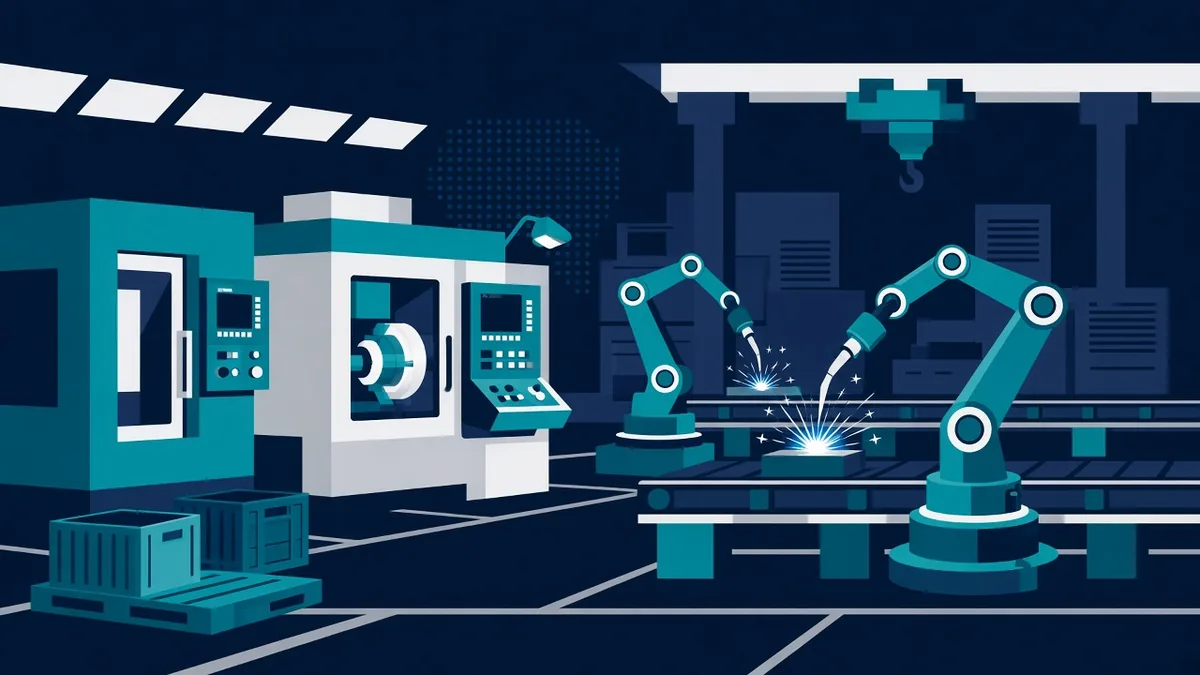
3. Foundry Robotics raises $100 million to run AI-driven assembly cells as a service
Twenty times more floor space. Foundry Robotics has moved into a 130,000-square-foot site in Emeryville, California, and on October 28 announced a $100 million Series A led by Marlinspike Partners. The company owns and runs the factory, using AI-trained robotic cells to assemble complex electro-mechanical products such as drones, wire harnesses, satellites and telecom and data center gear. Foundry says customers go from design to production in weeks without building their own lines.
So what for operations and plant managersIf you have low-volume, high-mix assemblies stuck in a capacity queue, add contract robotic assembly to the shortlist and ask for first-article timing and yield data.
View post on X
Sources: Foundry Robotics announcement (Business Wire) Company announcement · Runtime Wire Independent reporting · Silicon Report Independent reporting · Post on X: x.com/AGTPinsights/status/2115503282483528076 Post on X
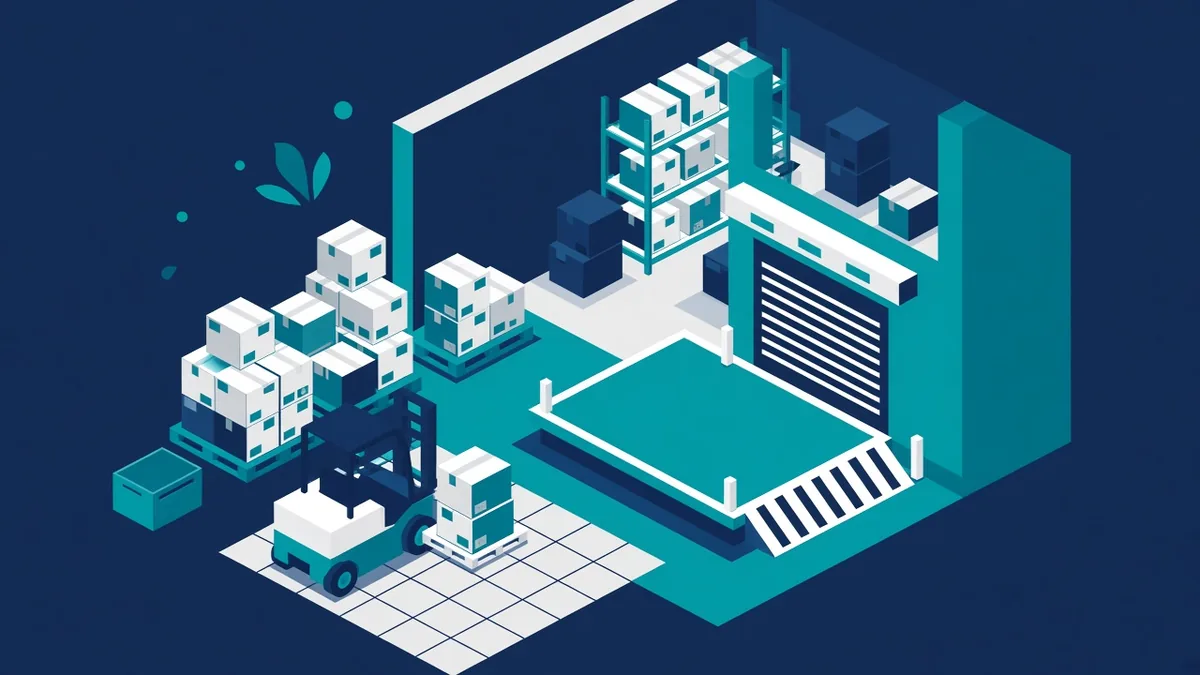
4. Otto Group will test up to 25 AI robots on returns sorting in Poland
Returns come back crumpled, repacked or missing the box, which is why robots have mostly stayed away. Otto Group and Sereact said on October 28 that ten AI-controlled dual-arm robots will grasp, identify, assess and sort returned items at an Otto logistics center in Poland, with 15 more added only if early results justify it. Sereact will run and maintain the robots as a service. The companies didn't name the site, a start date or financial terms.
So what for warehouse managersIf returns are your bottleneck, ask robot vendors how they grade item condition and what happens to items the robot can't decide on.
View post on X
Sources: Sereact announcement Company announcement · MekaWire Independent reporting · Robot24 Independent reporting · Post on X: x.com/nexdelmedia/status/2115433684010451284 Post on X
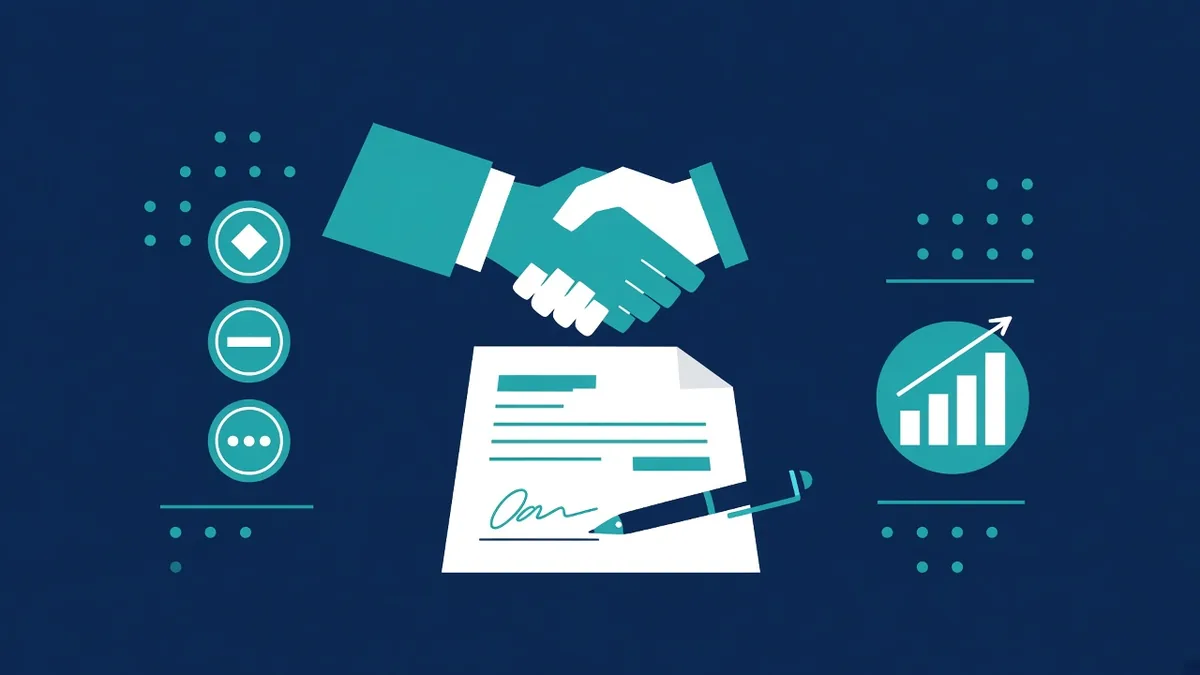
5. Fragment launches with $56 million to chase purchasing and payment exceptions
The eighteen-cent invoice mismatch now has investors. Fragment launched on October 28 with $56 million in total funding, including a Series A led by 8VC and a seed round co-led by General Catalyst and A*. Its AI agents work across a manufacturer's existing systems to investigate and resolve direct procurement exceptions, such as changed orders, split deliveries and invoices that don't match the agreement. Fragment names Graybar and CNX as companies it already works with.
So what for procurement leadersBefore buying an exception-handling agent, write down how your team resolves its five most common mismatches today; that's the policy the agent has to follow.
Sources: Fragment announcement Company announcement · Fragment CEO blog Company announcement · Axios Pro Independent reporting · 8VC investment note Company announcement
More prompts like this: free 8-prompt sample · full AI Prompt Kit for Supply Chain Teams (from $7). It's our own product.